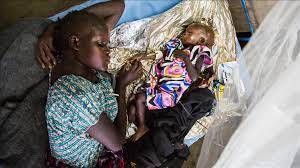
The Democratic Republic of Congo (DRC) has long been plagued by a complex web of challenges, including violence, famine, and displacement. The nation is in the midst of a monumental humanitarian crisis.
The Issues
Since March 2022, an alarming 2.8 million people have been uprooted from their homes in the North and South Kivu and Ituri provinces, underscoring the urgent need for a comprehensive humanitarian response. The situation has escalated to an unprecedented level, resulting in a staggering 6.3 million internally displaced people—the highest number in all of Africa. This crisis, fuelled by rampant violence, is not only tearing families apart but is also pushing communities to the brink of economic ruin.
One of the most distressing aspects of this crisis is the prevalence of gender-based violence. With 31,000 registered cases, it is imperative to recognize that the true number is likely far higher, as many sexual crimes go unreported due to stigma and fear. The human rights violations that many women and girls endure are a stark reminder of the urgent need for effective protection mechanisms and access to justice.
The DRC is also grappling with an alarming food crisis. An astonishing 27 million people in the country do not have enough to eat, highlighting the pressing need for immediate intervention. Furthermore, a staggering 72% of the population lives in extreme poverty, making it exceedingly difficult for families to meet their basic needs. The intertwined nature of these challenges requires a multifaceted approach to alleviate suffering and restore hope.
Support, Assistance and Solutions
The scale of the emergency cannot be underestimated. In an attempt to address the escalating humanitarian needs, a total of £630 million has been raised for the humanitarian response plan, as of June 19th, 2023. Despite these efforts, the crisis persists, and the human toll continues to rise.
Change is being championed on a global scale. Initiatives such as providing business skills and training in the most impoverished areas aim to empower individuals to support their families. Climate-smart growing techniques, coupled with the necessary seeds and tools, are helping communities cultivate a balanced diet in their own gardens. Health centres and mobile clinics are being established to treat malnutrition, while the provision of cleaning supplies and clean water aims to prevent the spread of disease.
These efforts are not in vain. In 2020 alone, over 15,000 people benefited from interventions that improved their livelihoods. While these initiatives are providing critical assistance, the need remains immense, and a sustained global commitment is essential to bring lasting change to the millions affected by this ongoing crisis.
Conclusion
The humanitarian crisis in the DRC, characterised by violence, famine, and mass displacement, demands immediate attention and concerted efforts. The staggering number of internally displaced people, the prevalence of gender-based violence, and the food crisis underscore the urgency of the situation. Yet, amidst the challenges, there is hope in the form of initiatives that offer empowerment, sustenance, and medical care. The international community must stand united to ensure that the people of the DRC are not left to suffer, and that progress towards a better future is achieved through dedicated action and sustained support.
 Henry Tuppen
Leave a comment